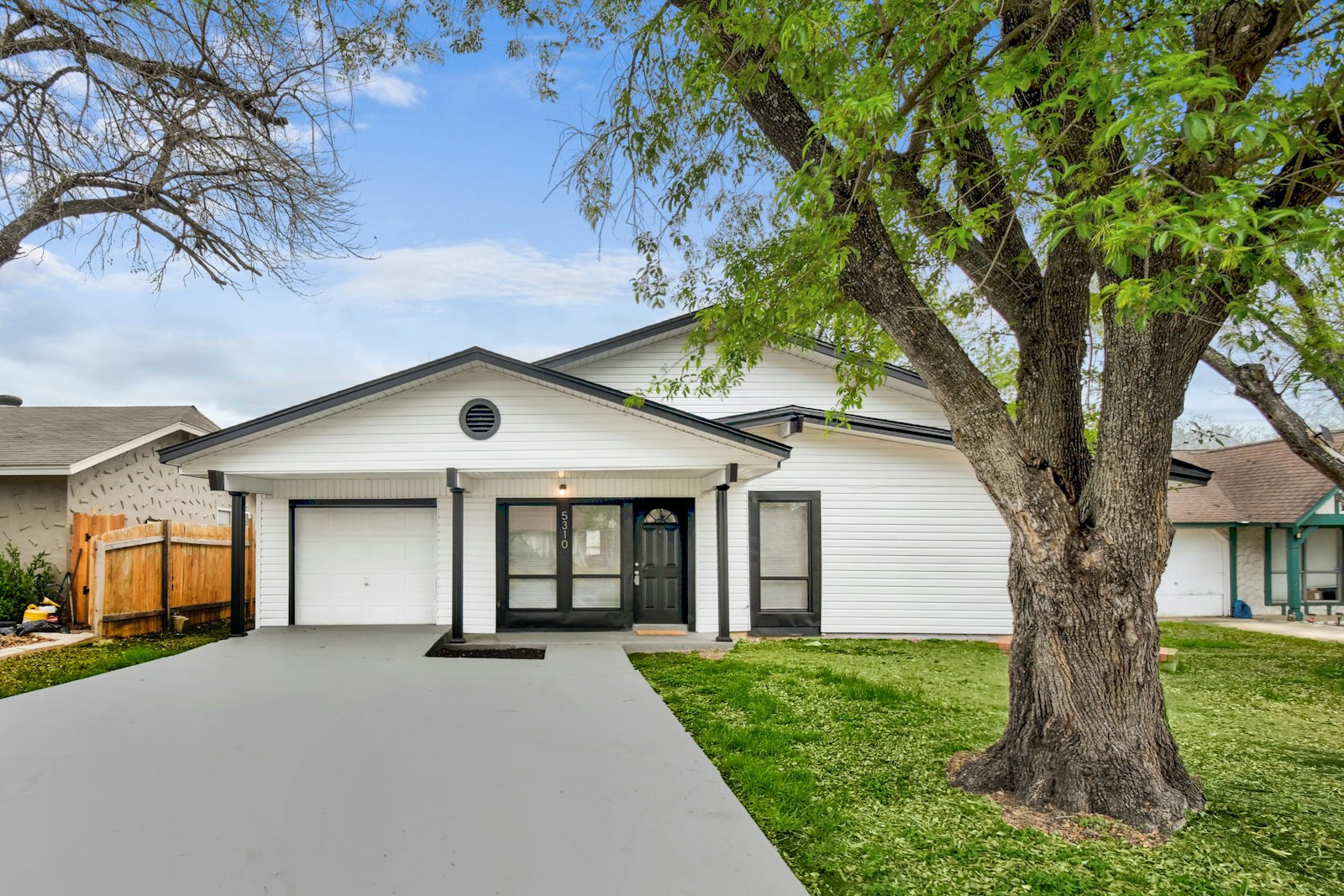

- You can sell as-is, offer a repair credit, pay for a few repairs or have the work managed and settled at closing.
- Selling as-is doesn't remove your duty to disclose what you know.
- A repair credit needs the buyer's lender to accept it.
- Repairs don't erase history. Keep invoices and permits for the disclosure notice.
If your Texas house needs repairs and you can't pay for them before the sale, you have four main options. You can sell it as-is, offer the buyer a repair credit or pay for a few priority repairs yourself. Or a renovation company can manage the work and settle its bill from your sale proceeds at closing.
Whichever you choose, Texas disclosure rules still apply. This guide compares the four options, explains what each one asks of you, and covers what you must tell buyers about the home's condition.
What are your options when your Texas house needs repairs?
The four options differ in when repair costs are paid, who manages the work, and what condition buyers see.
- Sell as-is. When repair costs are paid: No repairs are made. Who manages the work: Nobody before the sale. Condition buyers see: Current condition
- Repair credit to the buyer. When repair costs are paid: At closing, as a reduction in your proceeds. Who manages the work: The buyer, after closing. Condition buyers see: Current condition
- Pay for priority repairs. When repair costs are paid: Before listing, as the work happens. Who manages the work: You, or the contractor you hire. Condition buyers see: Partly repaired
- Renovation settled at closing. When repair costs are paid: At closing, from your proceeds, in the amount agreed in writing. Who manages the work: The renovation company. Condition buyers see: Renovated to the agreed scope
How does selling as-is work in Texas?
Selling as-is means the buyer accepts the home in its present condition. It does not remove your duty to tell buyers what you know about the property.
The standard Texas resale contract defines "As Is" as the property's present condition, with any defects. It comes without warranty, except the title warranties and those in the contract. The buyer can still inspect the home, negotiate repairs in a later amendment, and end the contract during the option period, if there is one. The contract also lets you sell as-is with a short list of specific repairs you agree to complete.
As-is sales suit owners who want the least involvement, or homes that need more work than the sale could support. Expect buyers to price the repairs into their offers. Many offers on homes in poor condition come from investors. They plan to do the work themselves, so they build their repair costs and profit into the price. That trade can still be the right one if a simple sale matters most to you.
How an as-is clause holds up in a dispute is a legal question. Talk to a Texas real estate attorney about your contract.
Can you offer the buyer a repair credit instead?
Yes. A repair credit reduces what you receive at closing instead of paying for work before the sale. The buyer handles the repairs after moving in.
The buyer's lender has to accept the credit, and lenders limit how much a seller can contribute. Fannie Mae, for example, caps seller-paid help for a buyer's home at 3%, 6% or 9%. The cap depends on the size of the loan compared with the home's value. It applies to the price or appraised value, whichever is lower. That help can only go toward the buyer's closing costs and a few related items. Fannie Mae deducts anything above those costs from the sale price for the loan. Other loan types have their own rules, so ask your agent to confirm with the buyer's lender before you agree to a credit.
A credit also leaves the house as it is. Buyers still tour the home in its current condition.
What if you pay for some repairs yourself?
Paying for a short list of repairs works when you have some cash and the list is small. Start with safety issues and anything a buyer's inspector is likely to flag, such as roof leaks, plumbing problems or electrical faults.
Our guide on whether to renovate before selling walks through how to decide what is worth doing, and our room-by-room checklist covers the smaller fixes.
If you'd rather pay as you go but don't want to run the trades yourself, FLIPRO's Self-Funded option uses your budget with our project management.
How does a renovation settled at closing work?
With this option, a renovation company manages the work before you list, and its bill is settled from your sale proceeds at closing. Here is how it works with FLIPRO:
- We walk the property with you and your agent, then put a written scope and price in front of you.
- Before we accept a project, we assess the property and the local market. We check whether the finished home's sale supports the cost of the work. Not every property is a fit, and our FAQ explains what we look at. If the numbers don't support the renovation, we tell you.
- Every cost, fee and term is listed in writing. No work starts until you sign.
- We pay the trades and suppliers during the build, and one project manager runs the job.
- Your agent lists the finished home. Our bill is settled from your sale proceeds at closing, in the amount agreed in writing before work began.
The market can move while a home is renovated and listed. Your agreement sets out what happens if the home does not sell, and we go through it with you line by line before you sign.
Whichever company you talk to, ask these questions before signing:
- What is the total price, and what fees are included?
- When exactly is payment due?
- What happens if the home does not sell, or the listing is withdrawn?
- Is any lien or other security recorded against the property?
- Who carries out the work, and what licenses does it require?
See how Pay at Closing works for more detail.
What do you still have to disclose?
Texas law requires a seller's disclosure notice for most sales of a home with one dwelling unit, whichever option you choose. You must deliver it on or before the contract's effective date. If you deliver it late, the buyer may end the contract for any reason within 7 days of receiving it.
The standard Texas resale contract goes further. If the buyer never receives the notice, they can end the contract at any time before closing and get their earnest money back. Some sales are exempt from the notice, such as certain court-ordered and estate transfers. Check with an attorney before assuming yours is one of them.
The Texas Real Estate Commission's current notice, Form 55-1, took effect on 28 May 2026. It asks about items that repairs often touch:
- The roof and the foundation or slab
- Previous structural or roof repairs
- Soil movement and settling
- Additions, alterations or repairs made without the necessary permits
Repairing something does not erase its history. If you fix the foundation before listing, the form still asks about previous structural repairs, so keep your invoices and permits.
Homes built before 1978 also need a federal lead-based paint disclosure. You must share what you know about lead paint, hand over any reports and give the buyer the EPA pamphlet. You must also allow 10 days for testing, unless you both agree in writing to change or waive it. The rule does not require you to test for or remove lead paint.
Which option fits your situation?
- Sell as-is if the home needs more work than the sale could support, or a simple sale matters most.
- Offer a repair credit if the repairs are modest and the buyer's lender allows it.
- Pay for repairs yourself if the list is short and you have the cash.
- Choose a renovation settled at closing if the home needs meaningful work and has room in its likely sale price for that work. It suits owners who want one team to manage the job without paying for it before the sale.
Your agent can tell you how buyers in your area respond to homes in similar condition.
Frequently asked questions
How do you price a house that needs repairs?
Your agent compares recent sales of similar homes in similar condition. Written repair estimates help you see the gap between the home as it is and the home after the work.
Should you give buyers repair estimates?
Written estimates from licensed contractors can help buyers understand the scope of the work. Label them as estimates, since actual costs change once work begins.
Is selling to an investor a bad idea?
No. An investor sale usually means fewer showings and a simpler process. The offer will reflect the repairs and the investor's costs, so compare the amount you would receive under each option with your agent.
Find the option that fits your home
Request a free walkthrough and written estimate. You decide with the full scope and price in front of you.
FLIPRO USA is a presale renovation specialist only. We are not a law firm, an accountant, a tax adviser or a real estate brokerage, and this article is not legal, tax, financial or professional advice. It describes the law and forms as we understood them on the date above, and either may have changed since. For advice about your own situation, speak with your own lawyer, accountant, tax adviser or real estate agent. Not every property is suitable for a presale renovation. Scope, schedule and price are assessed for each property and agreed in writing before work begins.
Selling soon? Fix the right things first.
FLIPRO walks the home with you, puts the scope and price in writing before work starts, and hands over the records when the job is done.
- Delivering since 2017
- 1,500 projects
- Licensed and insured trades

Founded FLIPRO in 2017 and leads its presale renovation work across Dallas-Fort Worth, Houston, Austin and San Antonio. 35+ years of team experience across 1,500 projects.
About FLIPRO →This article is general information, not legal, tax, financial or real estate advice. FLIPRO USA LLC is a presale renovation partner. It is not a law firm, a licensed real estate brokerage or a tax adviser, and reading this article does not create an attorney-client or any other professional relationship. We describe Texas law and the TREC forms as we understood them on the date shown above. Laws, forms and agency guidance change, and we do not guarantee that this information is complete, current or right for your situation. Before you sign, disclose or decide anything about your sale, speak with your own Texas attorney, a licensed real estate agent and, where tax is involved, a CPA. Not every property is suitable for the FLIPRO program. Scope, schedule and price are assessed for each property and agreed in writing before work begins.