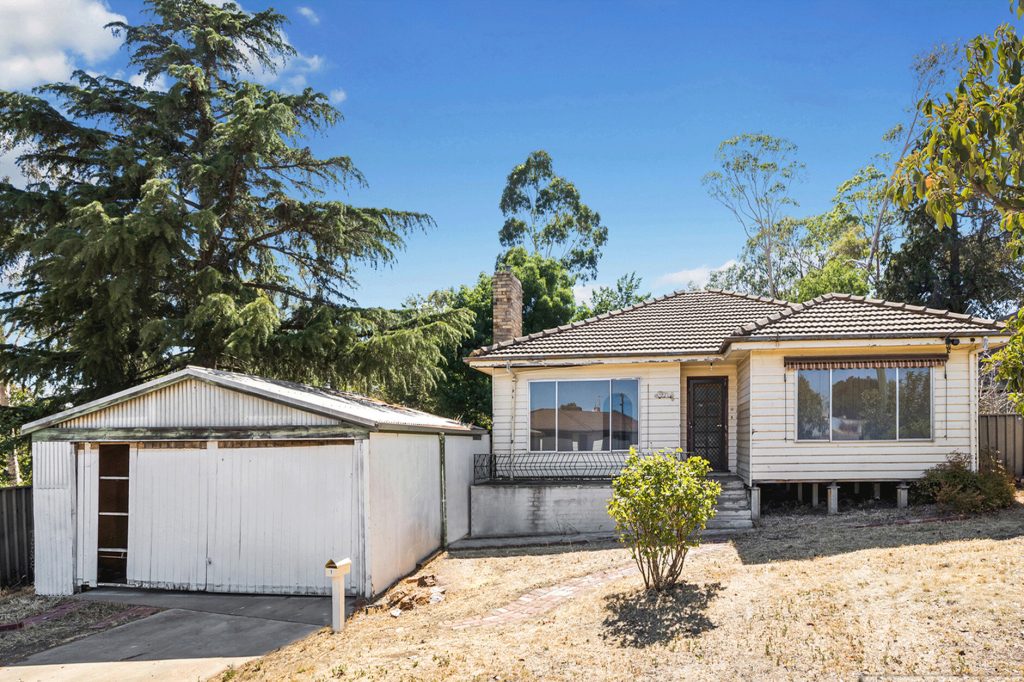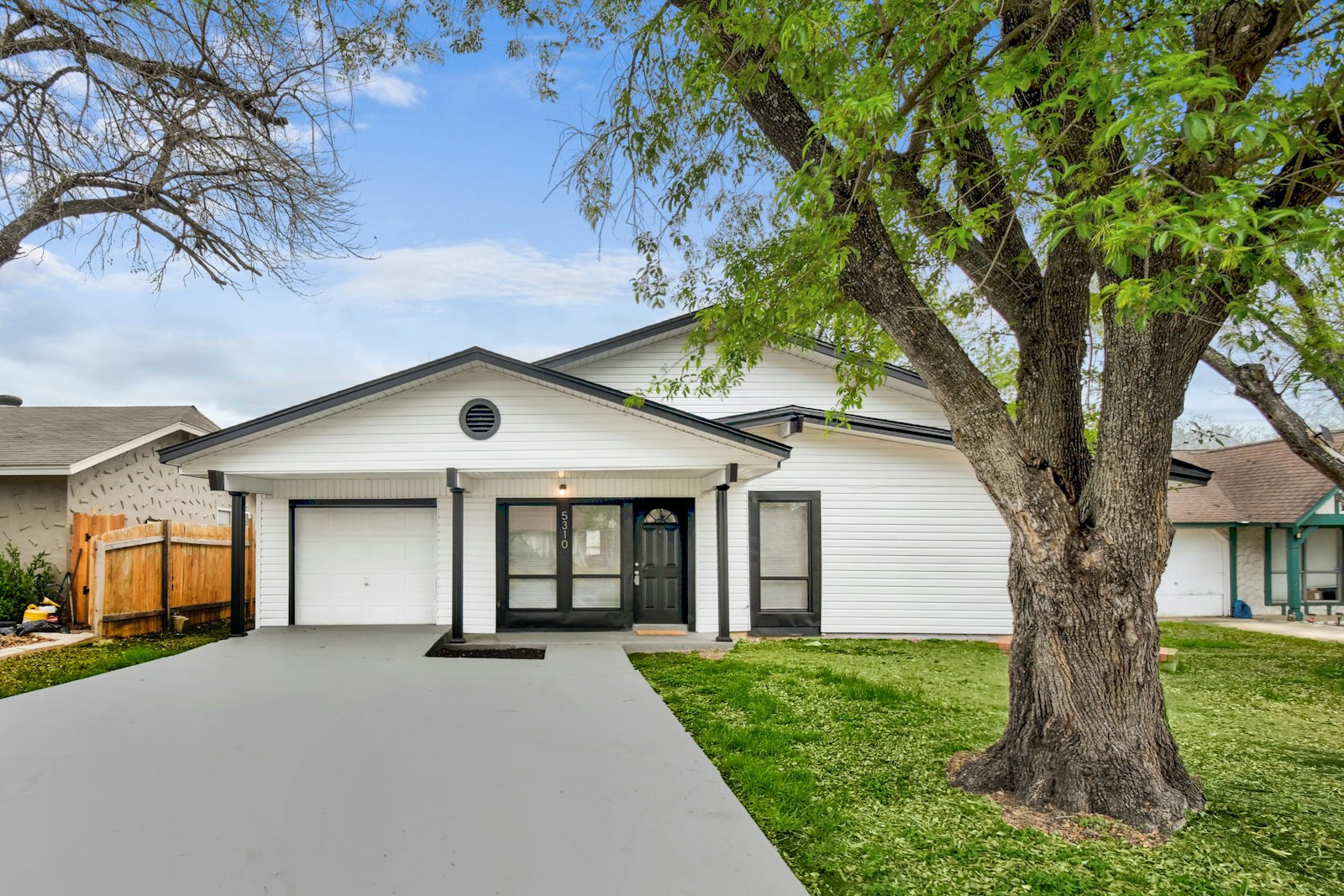
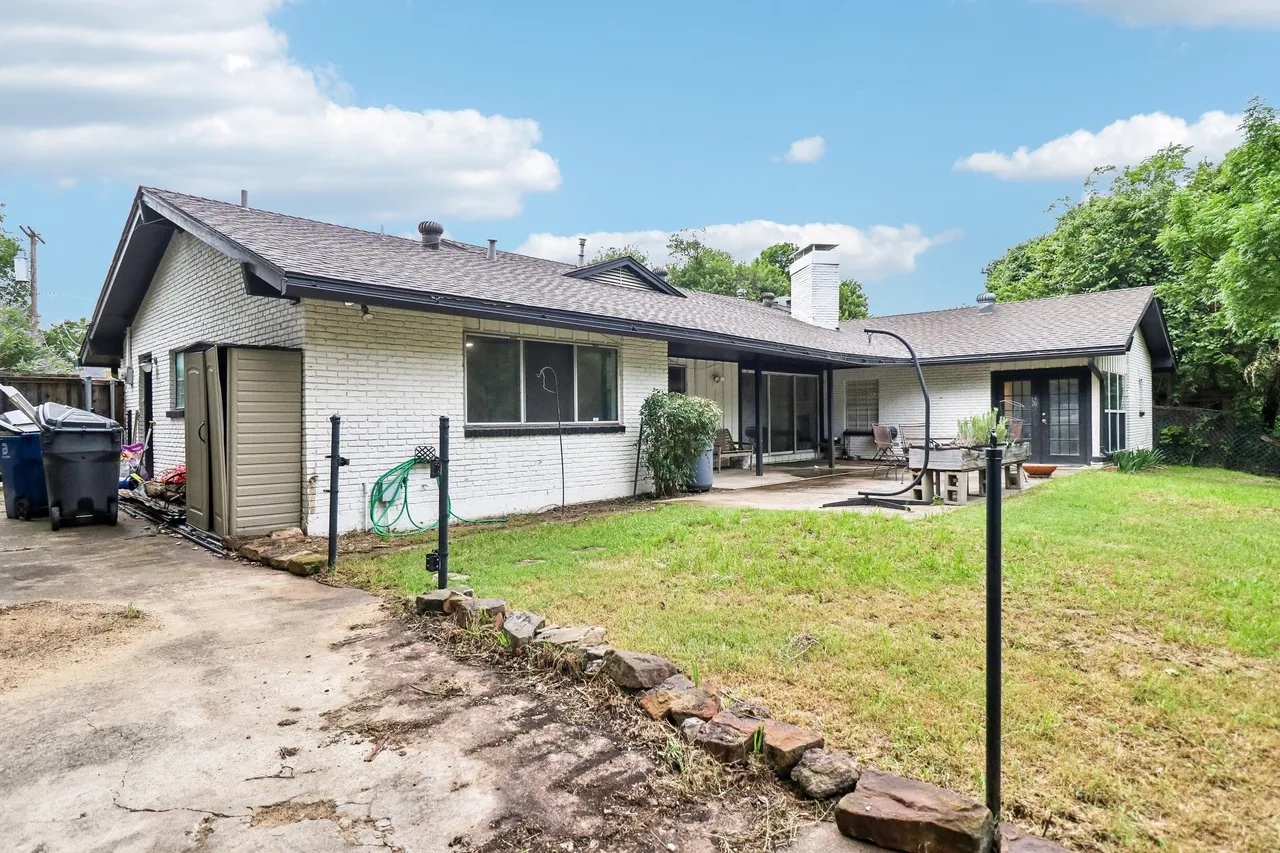
- A cash offer is simpler, and the buyer prices in the repairs and their own costs.
- An as-is listing reaches every buyer, and they still inspect and negotiate.
- Preparing the home first means city permits for some work and licensed trades.
- Every route needs the seller's disclosure, which asks about past roof and structural repairs.
Dallas sellers have 3 main routes: accept a cash offer, list the home as-is, or prepare it and then list it. The right one depends on the home's condition, your schedule and how much work you're willing to manage.
This guide compares the three and covers what differs across Dallas-Fort Worth, from city permits to county tax records and storm damage.
What are your options for selling a house in Dallas?
Most sellers in the Dallas area pick one of these:
- Cash offer. An investor or home-buying company buys the home in its current condition.
- As-is listing. An agent lists the home on the open market, and buyers take it as it stands.
- Prepare, then list. You repair or update the home first, then list it on the open market.
All three still need the Texas seller's disclosure notice for most homes. Cash and as-is sales are not among the exemptions listed in Texas Property Code section 5.008(e). Your attorney can tell you whether an exemption covers your sale.
When does a cash offer make sense?
A cash offer fits a home that needs more work than you can take on. It also fits when a simple sale matters more to you than the price. The investor plans to do the repairs, so the offer covers their repair costs, holding costs and profit.
What changes with a cash buyer:
- No lender, so no lender-required repairs.
- Fewer showings, and little or no preparation.
- A lower price than the same home would likely get after repairs.
Ask for offers from more than one buyer. Compare each one against your agent's recent sales of similar homes in similar condition. Then check the contract for an option period that lets the buyer renegotiate.
What does an as-is listing involve?
An as-is listing keeps your home on the open market, where people buying a home to live in can bid too. You make no repairs first, and buyers price in the work they'll need to do.
The standard Texas resale contract has an as-is option. It changes what the buyer accepts, not what you disclose. Buyers can still inspect the home, ask for repairs and end the contract during the option period.
Our guide to selling a house as-is in Texas walks through that contract language.
When should you prepare the home before listing?
Prepare the home when a few fixes would change what buyers mark down. Common examples are worn paint and flooring, dated fixtures, a tired kitchen and anything an inspector will flag.
In Dallas-Fort Worth, plan for three things:
- Permits. The City of Dallas requires a residential permit to start construction, renovation or major repairs, and it lists remodeling a kitchen as an example. Fort Worth, Plano, Arlington and the other cities across the metro run their own permit offices. Ask your contractor which work needs a permit, and keep the final inspections for buyers.
- Licensed trades. Texas has no state license for general contractors. Electrical, plumbing and HVAC work does need a state-licensed trade.
- Scope. Start with what buyers notice. Our checklist for getting a house ready to sell goes room by room, and our staging guide covers presentation.
You can hire contractors yourself and pay them as the work happens, or use a presale renovation company. With FLIPRO, the scope and price are agreed in writing before work starts. See how Pay at Closing works.
How do the three options compare?
Who does the repairs
- Cash offer: the buyer, after closing
- As-is listing: negotiated after the buyer's inspection
- Prepare, then list: you, before listing
Who can buy
- Cash offer: investors and home-buying companies
- As-is listing: any buyer
- Prepare, then list: any buyer
What sets the price
- Cash offer: the home's current condition, plus the buyer's costs
- As-is listing: the home's current condition
- Prepare, then list: the home after the work, less what the work cost you
What does the disclosure ask about roofs and past repairs?
The Texas seller's disclosure notice, Form 55-1, asks whether you know of previous structural or roof repairs. It also asks about additions or repairs made without the necessary permits.
Keep every invoice, permit and final inspection for work done on the home, including roof work. Records help you answer accurately, and buyers will ask for them. Our guide to the Texas seller's disclosure notice covers the full form.
What if a storm damages the home after you sign?
The standard Texas resale contract covers this in paragraph 14, "Casualty Loss". If fire or another casualty damages the home after the contract's effective date, the seller must restore it to its previous condition. The deadline is the closing date.
If the seller can't do that for reasons beyond their control, the buyer can choose to:
- End the contract and get the earnest money back.
- Extend the deadline by up to 15 days.
- Accept the home as damaged, with an assignment of insurance proceeds and a credit from the seller.
Ask your attorney how this applies to your sale.
How are property taxes handled when you sell?
The resale contract prorates the current year's property taxes through the closing date, in paragraph 13. If the final tax bill differs from the estimate used at closing, the contract says the buyer and seller adjust once the statements are available.
Each county in the metro has its own appraisal district. The Dallas Central Appraisal District and the Collin Central Appraisal District both offer an online property search, and Tarrant and Denton counties have their own. Your title company calculates the proration. Ask a tax adviser about anything specific to you, such as exemptions.
Frequently asked questions
What paperwork do you need to sell a house in Dallas?
Most sellers need the seller's disclosure notice, the sales contract and the documents the title company asks for. Records of repairs and permits help too. Homes built before 1978 also need the federal lead paint disclosure.
Can I sell my Dallas house directly to an investor?
Yes. You still give the buyer the seller's disclosure notice. Get more than one offer, and read the contract for any option period before you sign.
Can I sell my house in Dallas without a realtor?
Yes. Texas doesn't require you to use an agent. You'll handle pricing, showings and the contract yourself, and many sellers who do this use an attorney for the paperwork.
How much do real estate agents charge in Dallas?
There's no set rate. Commission is negotiable, so ask more than one agent what they charge and what it includes.
Not sure which route fits your home?
FLIPRO walks your Dallas-area home with you and gives you a fixed written estimate for the work that would matter most. If preparing the home doesn't suit it, we say so. See how we work in Dallas-Fort Worth.
FLIPRO USA is a presale renovation specialist only. We are not a law firm, an accountant, a tax adviser or a real estate brokerage, and this article is not legal, tax, financial or professional advice. It describes the law and forms as we understood them on the date above, and either may have changed since. For advice about your own situation, speak with your own lawyer, accountant, tax adviser or real estate agent.
Selling soon? Fix the right things first.
FLIPRO walks the home with you, puts the scope and price in writing before work starts, and hands over the records when the job is done.
- Delivering since 2017
- 1,500 projects
- Licensed and insured trades

Founded FLIPRO in 2017 and leads its presale renovation work across Dallas-Fort Worth, Houston, Austin and San Antonio. 35+ years of team experience across 1,500 projects.
About FLIPRO →This article is general information, not legal, tax, financial or real estate advice. FLIPRO USA LLC is a presale renovation partner. It is not a law firm, a licensed real estate brokerage or a tax adviser, and reading this article does not create an attorney-client or any other professional relationship. We describe Texas law and the TREC forms as we understood them on the date shown above. Laws, forms and agency guidance change, and we do not guarantee that this information is complete, current or right for your situation. Before you sign, disclose or decide anything about your sale, speak with your own Texas attorney, a licensed real estate agent and, where tax is involved, a CPA. Not every property is suitable for the FLIPRO program. Scope, schedule and price are assessed for each property and agreed in writing before work begins.